Cindy Tsai
I’m a product designer creating enterprise software and B2B platforms, translating complex systems into clear digital experiences.
At Meta, I design AI compliance platforms to identify and mitigate systemic risk. Say hello! You can find me on LinkedIn or reach out over Email.
2025–Now
Meta
2023–2025
Microsoft
2022–2023
Franklin Payroll
2018–2022
Herman Miller

Lead Product Designer
2024
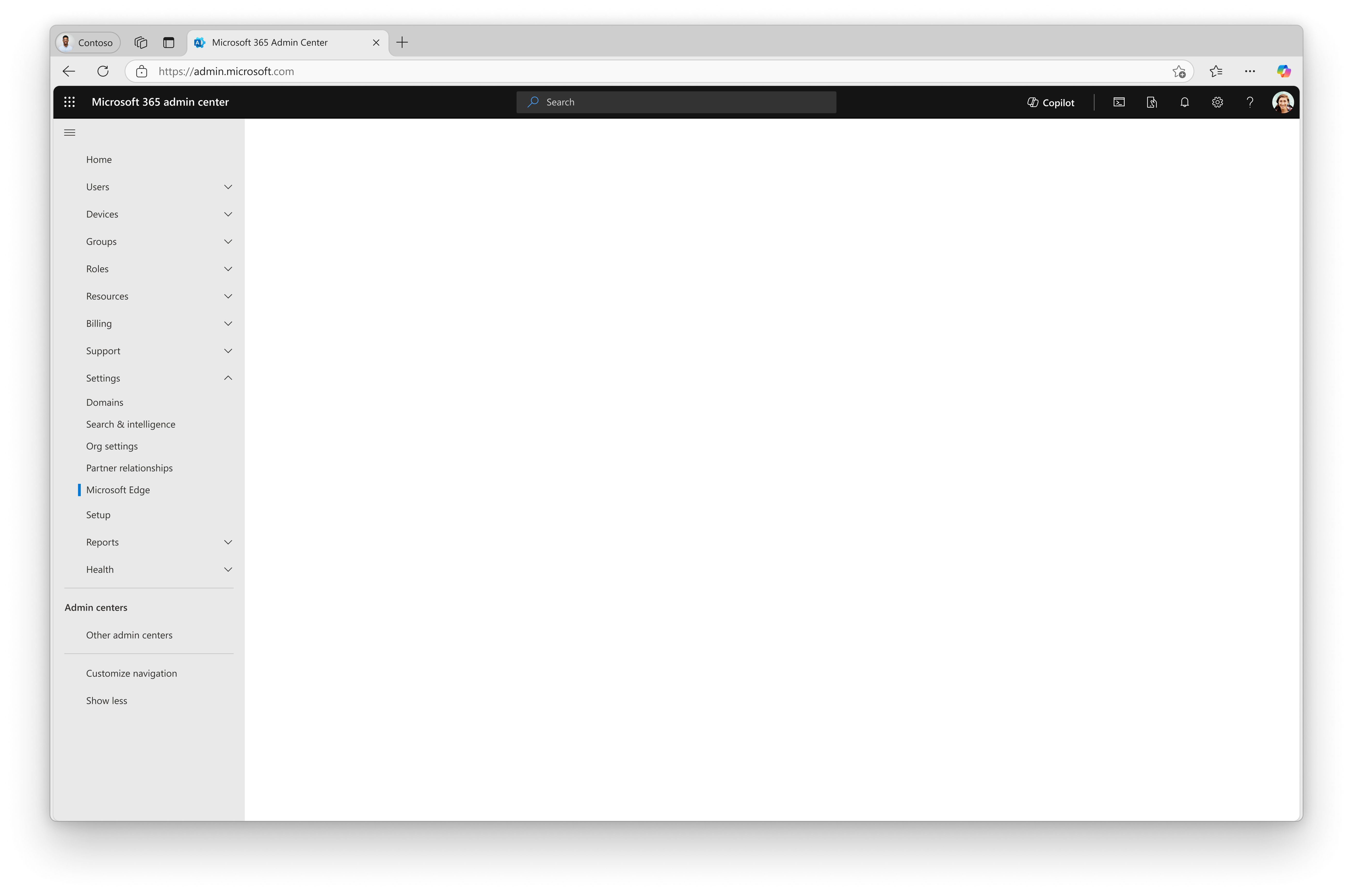
I was the sole designer working on Edge Browser's admin hub at Microsoft. I created a scalable framework that simplifies complex policy management. By re-architecting the admin center around a unified design system and an adaptable kit of parts, I established a foundation that streamlines future feature expansion.
My cross-functional partners included a product manager and two engineers. I also worked with the design systems team to consult and align our patterns with broader enterprise standards, ensuring code-level consistency. By establishing this tight feedback loop, we reduced front-end debt and paved the way for engineering to ship subsequent policy updates twice as fast using the newly componentized kit.
The challenge
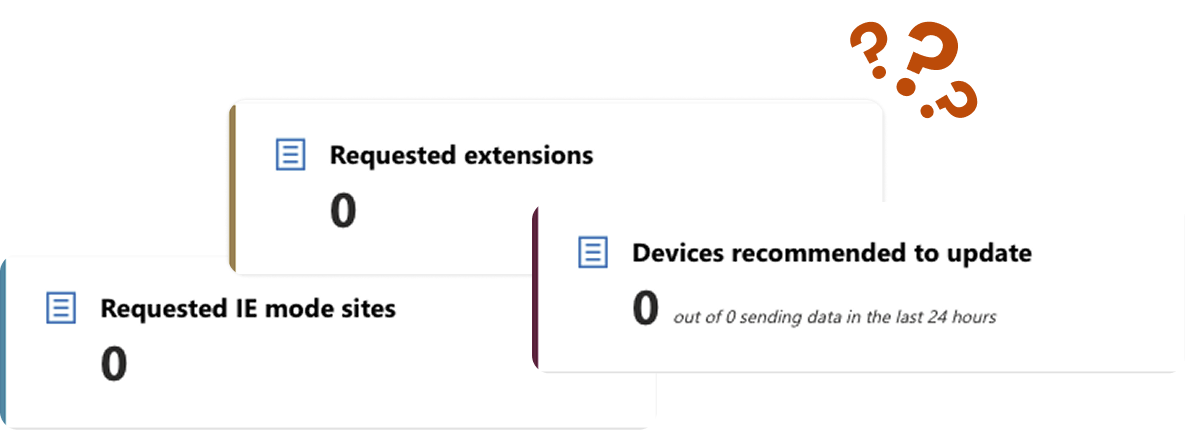
Users weren't getting alerted
No unified framework, no hierarchy, no cohesion.
The Opportunity
From confusion to conversion
Critical work flows
Users grouped by workflow, not technical categories.
Contextual data
Standardizing the 80%, leaving room for the 20%.
Passive education
Data replaced assumptions about feature usage.
Spatial architecture
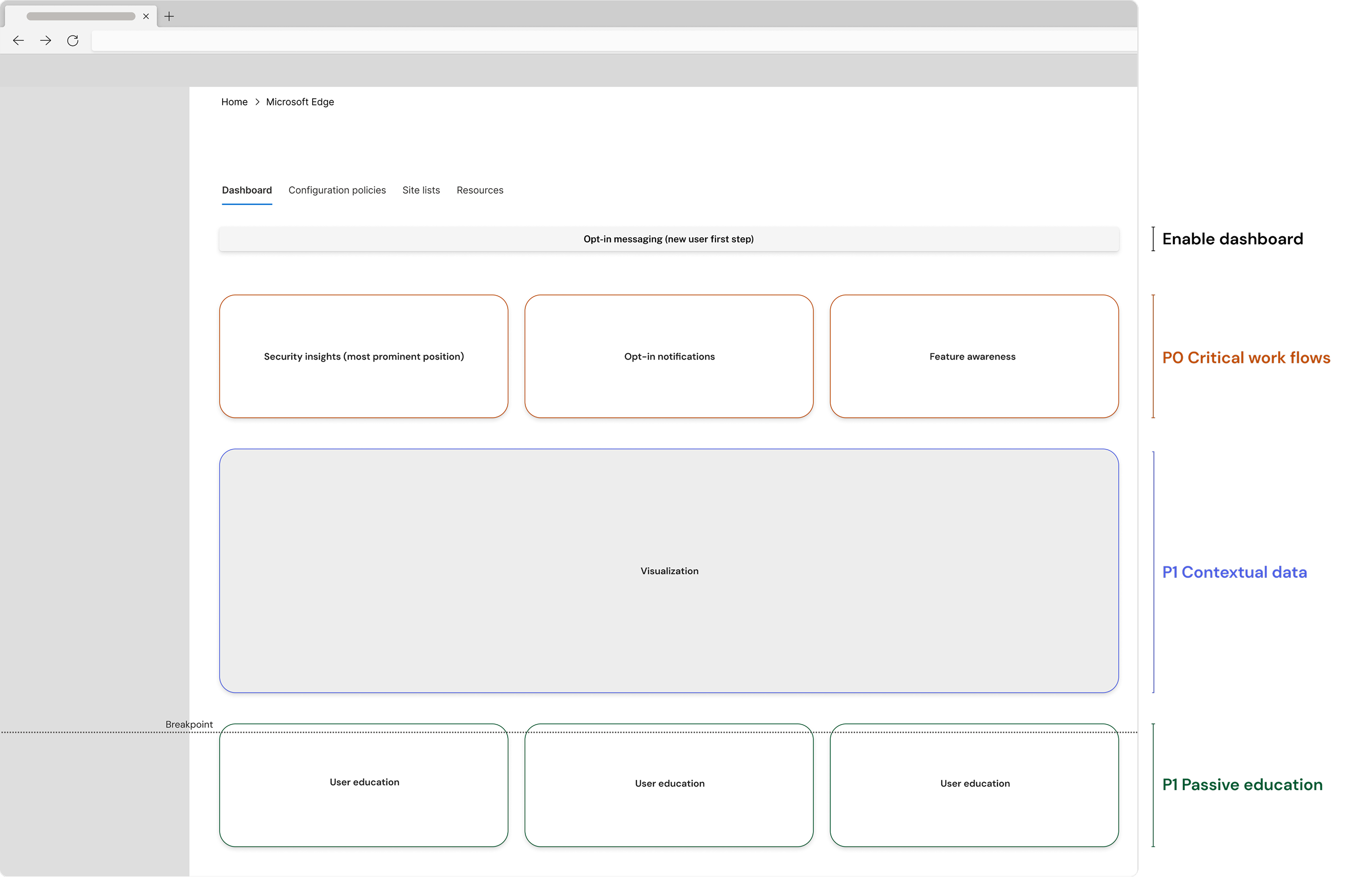
The spatial architecture maps directly to a priority framework
P0 commands prime positioning at the top of the viewport to surface immediate, workflow-based actions. P1 contextual data occupies the center with rich visualizations. P1 passive education sits lower on the page to provide data-backed learning guardrails.
Constraints
Designing within limits
Latency
Real time updates are not possible because the dashboard refreshes on a fixed polling interval.
Legacy gaps
Building on top of older frameworks and disjointed data required careful abstraction to maintain consistency.
Guardrails
Backend actions require multi-factor approval, shaping how actions are presented and confirmed.
Systemic craft
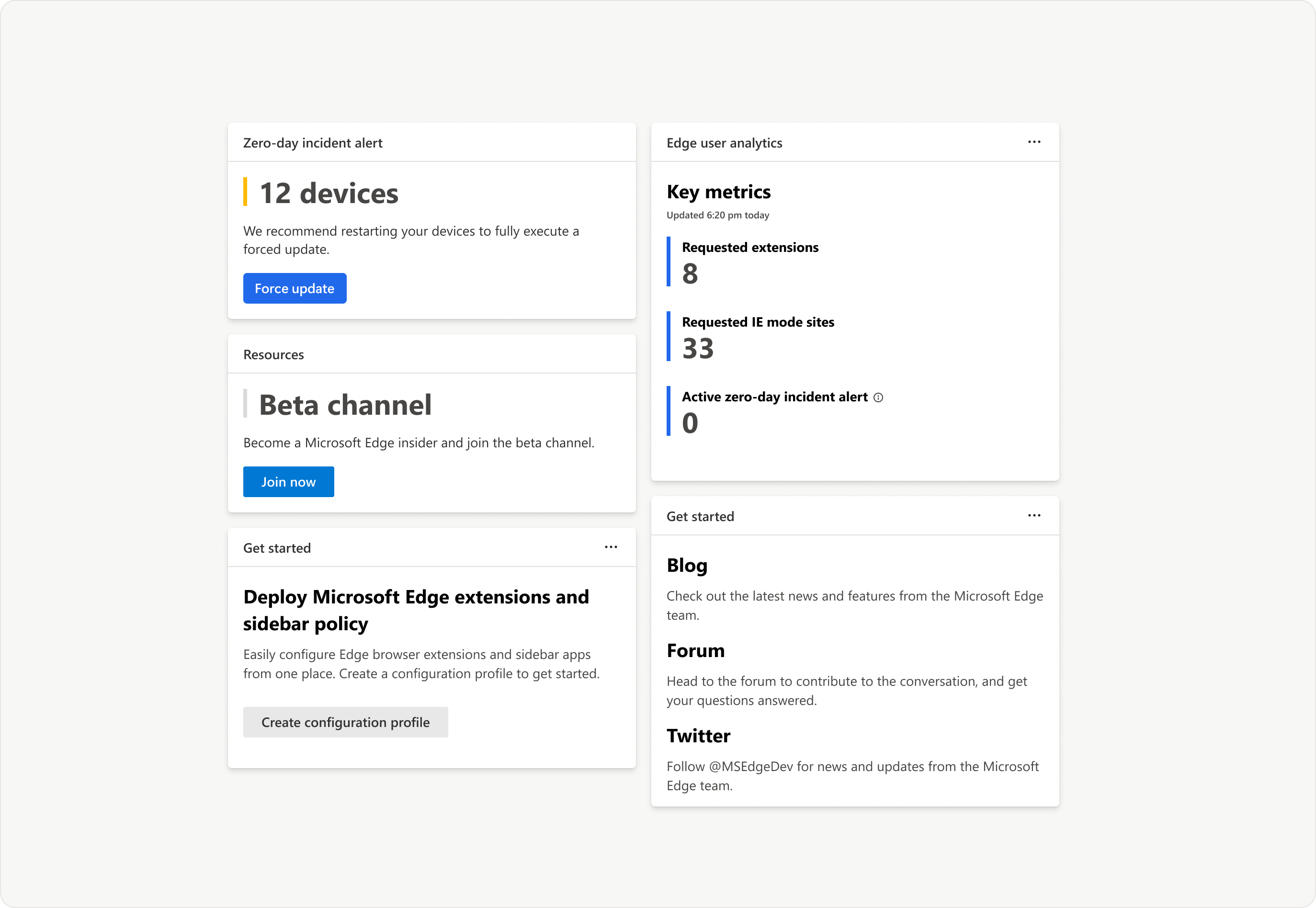
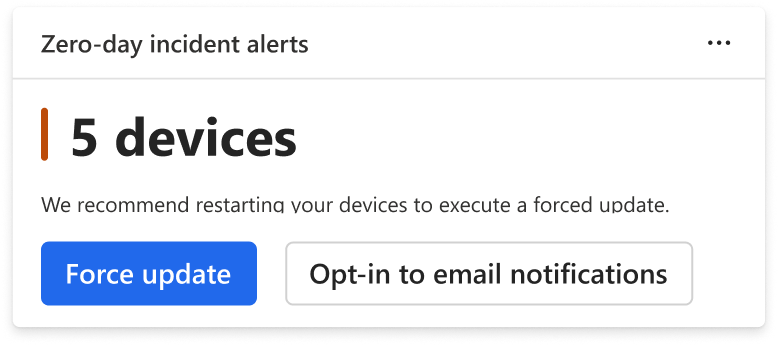
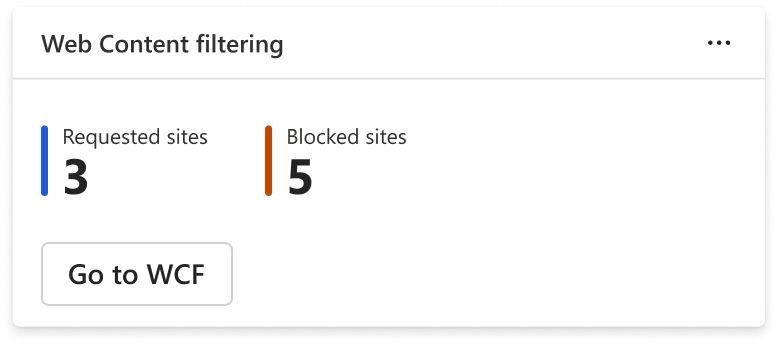
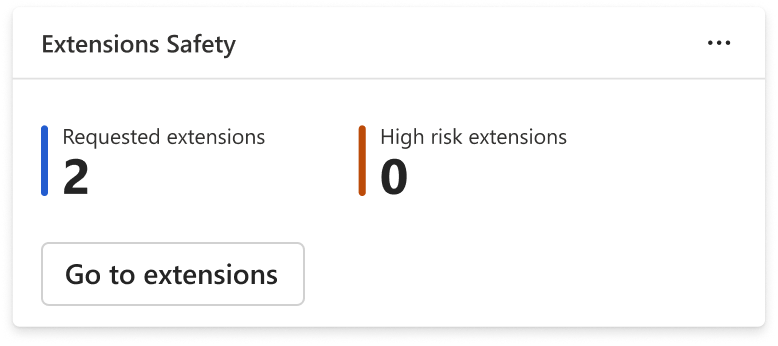
Modular action cards
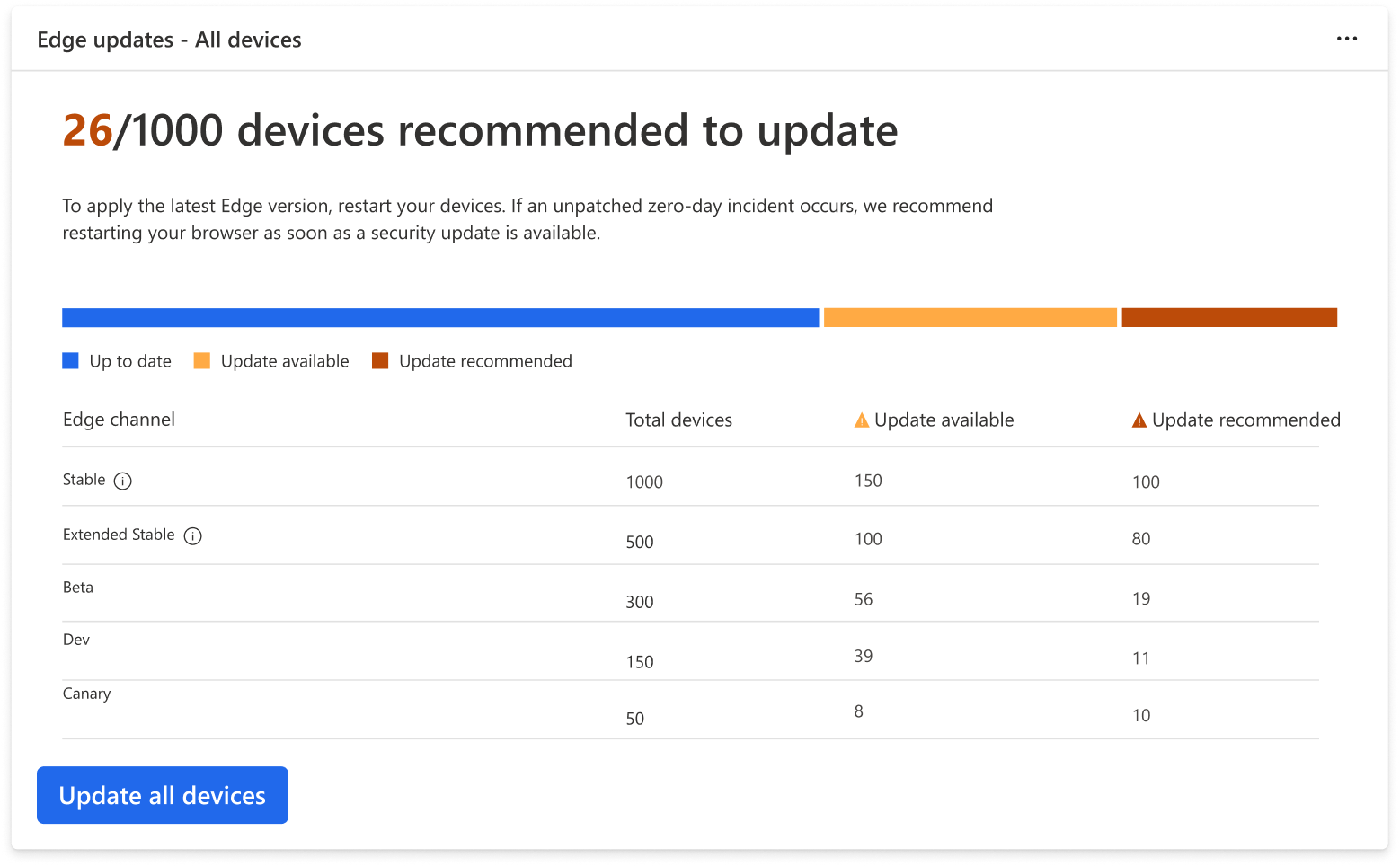
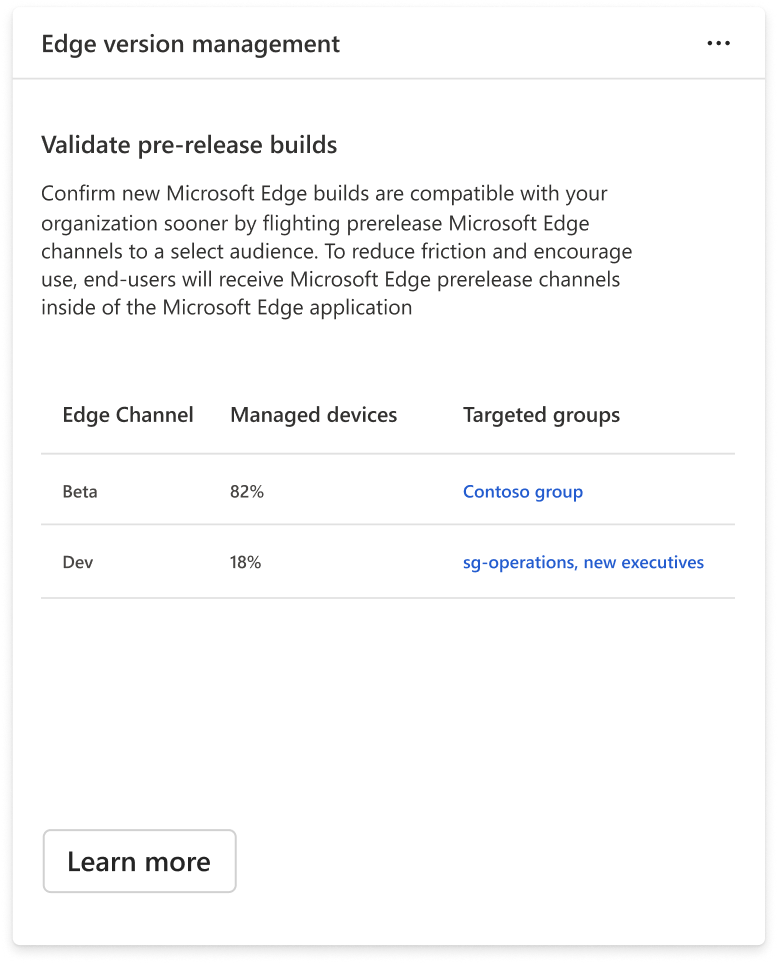
A flexible block system that adapts to varying data densities and intents. Whether surfacing critical alerts, key metrics, or onboarding tasks, these cards enforce consistent spatial and hierarchical constraints across the ecosystem.
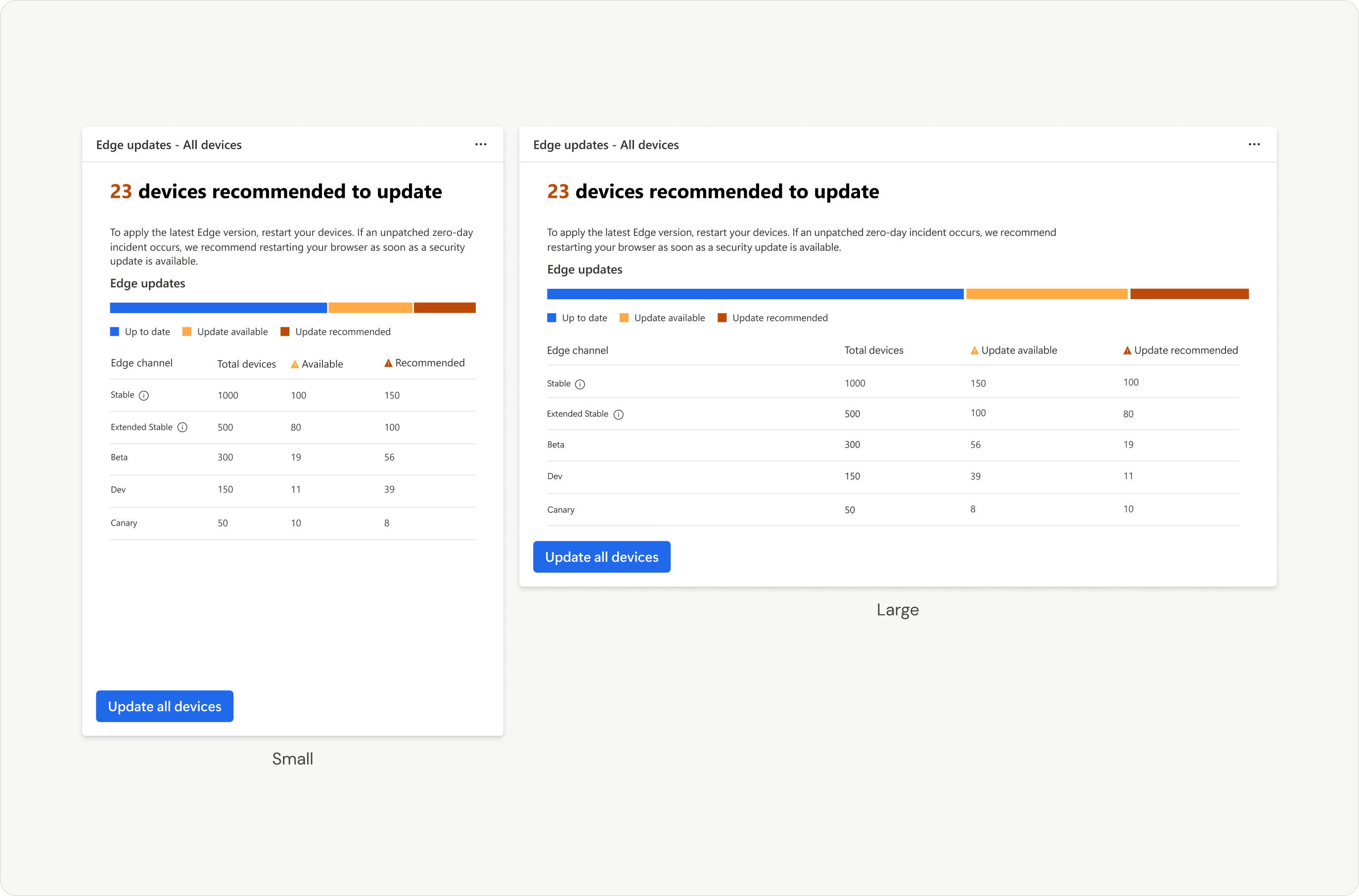
Scale agnostic layouts for data
Scalable card layout that reorganizes complex metrics, tabular data, and primary actions across viewports, preserving perfect hierarchy and alignment instead of just shrinking content.
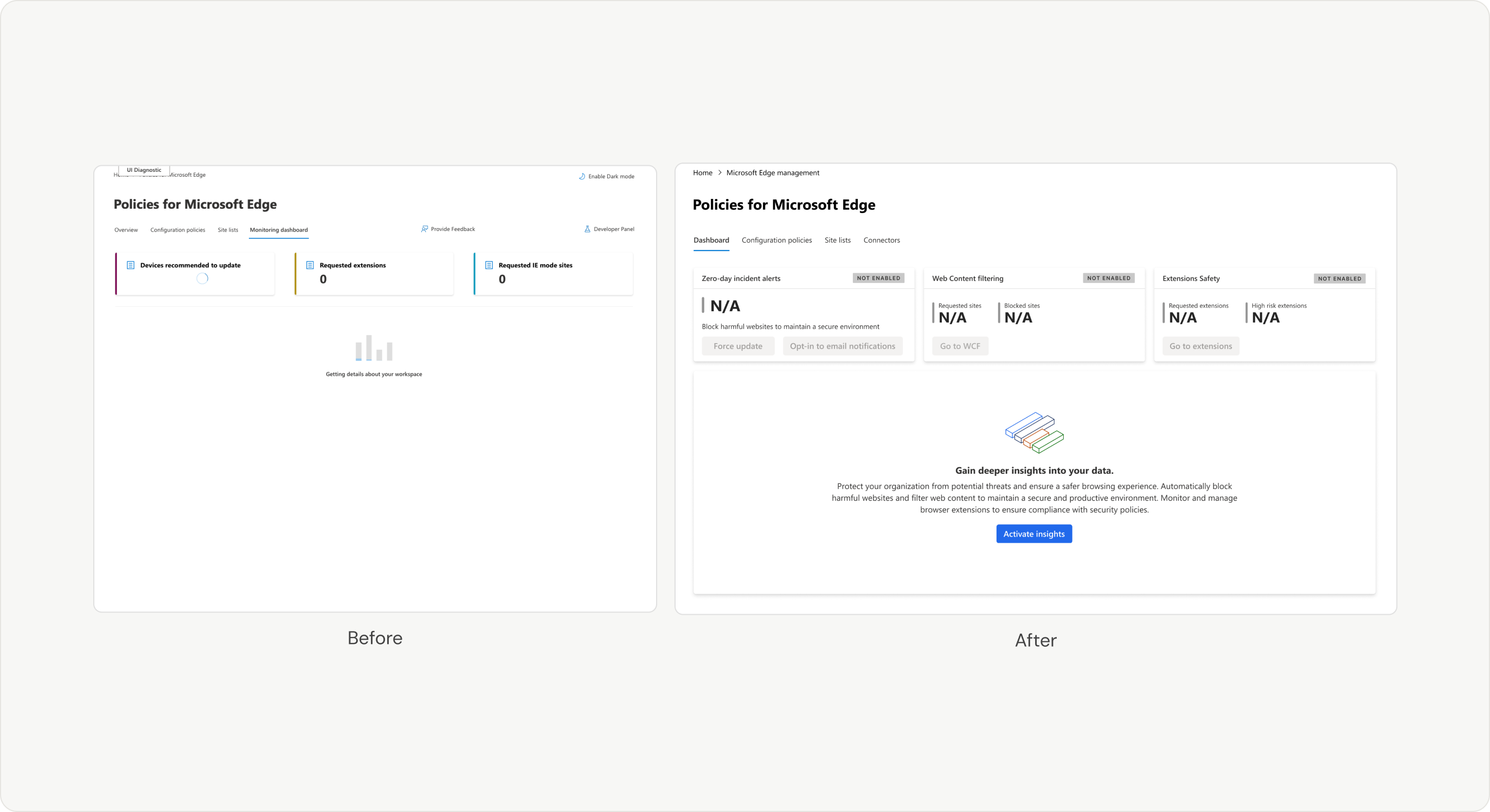
Optimizing the first time user experience
The re-designed framework replaces an ambiguous, unactivated loading state with an intentional gate for first-time setups.
Strategic outcome
Unifying the system to unlock scale
Rather than designing in a piecemeal fashion to satisfy isolated feature requests, I aligned cross-functional leadership around a unified dashboard foundation. This strategic shift ensured long-term usability and yielded immediate, measurable performance gains across the platform ecosystem.